
01 / POWERED DEPLOYMENT
Spaceman Craft Electric Thruster
Powered tether deployment for small satellites.
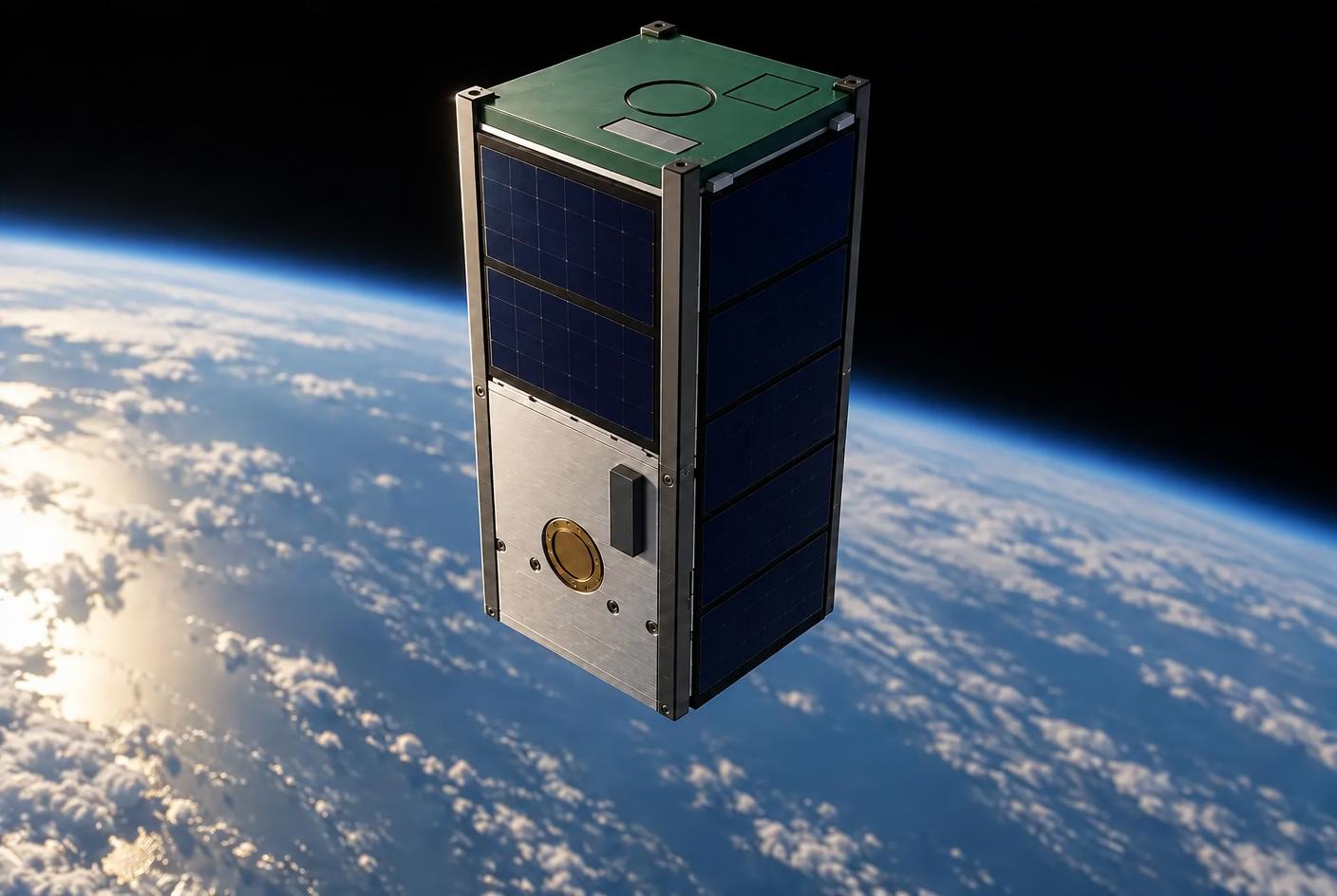
01 / Why tethers stalled
Space tethers are among the most capable technologies in orbit: a thin conductive line that can bring a satellite down, or keep it up, without propellant. They have been held back by one problem: deployment. Most small-satellite tethers are pushed out by a spring and left to coast, and mission after mission they have jammed, stopped short or never left the spacecraft. The main active alternative, pushing the end mass out with cold-gas thrusters, adds propellant to a system meant to need none.
Stalls short
Fully deployed
02 / Powered deployment
We have built a powered tether deployment. Our proprietary hardware drives the tether out under control and confirms its progress, instead of trusting a single spring push. It is designed for 99% deployment reliability, validated in Varsha.ai, and every test campaign is built to close the gap to certain deployment.
03 / What a deployed tether does
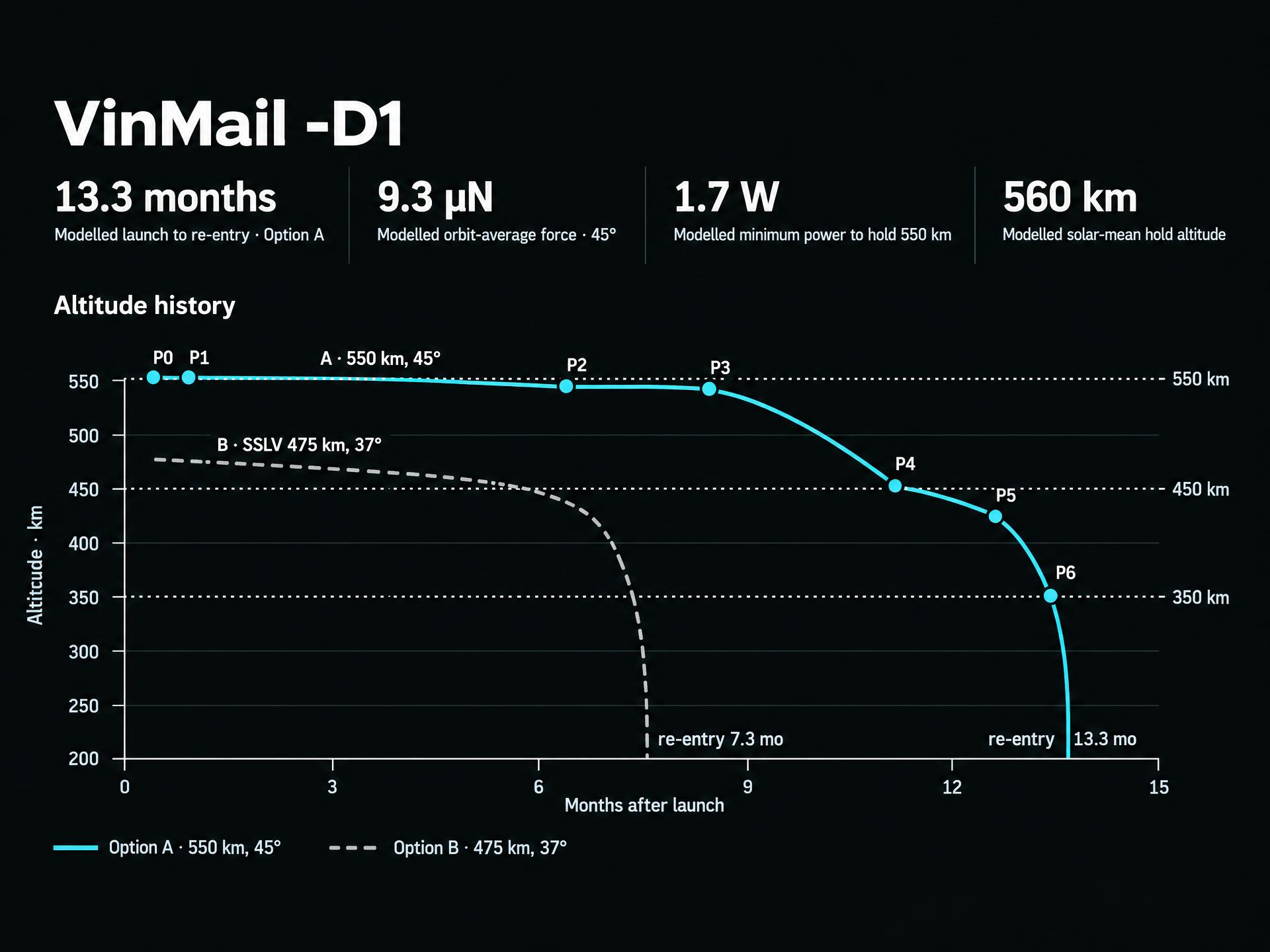
A conductive tether moving through Earth’s magnetic field interacts with it through the Lorentz force. That interaction lets the same module bring a dead satellite down without propellant, and, as the technology matures, keep a working one in its orbit. Our proprietary deployment hardware is what makes it dependable.
04 / Who it is for
Operators and builders of 1–70 kg satellites.
VALIDATED IN VARSHA.AI
Every programme is modelled in our proprietary physics engine before we build it.